The piece of text below is a shortened, hashed representation of this content. It is useful to ensure the content has not been tampered with, as a single modification would result in a totally different value.
Value:
be61fe9833f01f6edd988a38723838bc5c1ef9979c153ccd0847e39af94214ce
Source:
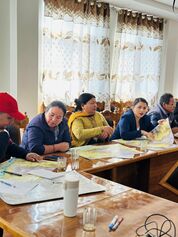
{"body":{"en":"<p>Participatory Watershed Governance in the Nibuwa–Tankhuwa Catchment consisted of designing and implementing a citizen-led, inter-municipal governance model to address water scarcity, climate risks, and livelihood vulnerability in the mid-hills of eastern Nepal. Led by Dhankuta Municipality in partnership with other Municipality, and supported by ICIMOD and other stakeholders, the practice has been implemented since 2021.</p><p>The practice treated the watershed as both an ecological and democratic unit. Rather than applying sector-based or top-down solutions, communities were placed at the center of decision-making. Through participatory mapping, public forums, household surveys, and multi-stakeholder planning workshops, citizens—especially women, smallholder farmers, and marginalized groups—identified priorities such as drying springs, land degradation, landslides, and water conflicts. These deliberative processes directly informed municipal planning and budget decisions.</p><p>The initiative integrates six components: sustainable water conservation, sustainable land-use management, livelihood diversification, climate change adaptation and disaster risk reduction, institutional strengthening, and interdisciplinary action research. Community-managed interventions, including spring recharge systems, ponds, bio-engineering measures, and climate-resilient land practices, were co-designed using local knowledge and scientific evidence. Watershed and spring-source management committees ensure continuous citizen participation in implementation, monitoring, and maintenance.</p><p>A key innovation of the practice is the institutionalization of participatory watershed governance within local government systems. Formal coordination mechanisms between the two municipalities, shared responsibilities, and structured citizen feedback loops strengthened accountability and transparency. Gender and social inclusion were mainstreamed by ensuring representation of women and vulnerable groups in decision-making bodies and by prioritizing equitable access to water and livelihoods. </p><p>The practice has strengthened trust between citizens and local governments, improved inter-institutional coordination, and increased community awareness of climate-resilient resource management. It has contributed to improved water security, reduced local resource-related conflicts, and enhanced adaptive capacity.</p><p>For more information, visit: <a href=\"https://covenantofmayors-southasia.eu/uploads/resources/2649C7AB-27A3-47B3-90A6-8F6EBC19FCAE.pdf\"><u>https://covenantofmayors-southasia.eu/uploads/resources/2649C7AB-27A3-47B3-90A6-8F6EBC19FCAE.pdf</u></a> </p><p><a href=\"https://covenantofmayors-southasia.eu/uploads/resources/2649C7AB-27A3-47B3-90A6-8F6EBC19FCAE.pdf\"><u>https://www.oidp.net/docs/repo/doc1828.pdf</u></a> </p><p><a href=\"https://covenantofmayors-southasia.eu/uploads/resources/2649C7AB-27A3-47B3-90A6-8F6EBC19FCAE.pdf\"><u>https://www.oidp.net/docs/repo/doc1829.pdf</u></a> </p>","es":"<p>La gobernanza participativa de cuencas hidrográficas en la cuenca Nibuwa–Tankhuwa consistió en el diseño e implementación de un modelo de gobernanza intermunicipal liderado por la ciudadanía para abordar la escasez de agua, los riesgos climáticos y la vulnerabilidad de los medios de vida en las colinas medias del este de Nepal. Liderada por el Municipio de Dhankuta en asociación con otro municipio, y con el apoyo de ICIMOD y otras partes interesadas, la práctica se viene implementando desde 2021.</p><div class=\"editor-content-image\" data-image=\"\"><img src=\"https://decidim-oidp.s3.eu-west-1.amazonaws.com/h6w462tw968h50jh6d6myf1glf1k\" alt=\"Dhakuta\"></div><p>La práctica concibió la cuenca hidrográfica como una unidad tanto ecológica como democrática. En lugar de aplicar soluciones sectoriales o de arriba hacia abajo, las comunidades fueron situadas en el centro de la toma de decisiones. A través de la cartografía participativa, foros públicos, encuestas a hogares y talleres de planificación multiactor, la ciudadanía —especialmente las mujeres, los pequeños agricultores y los grupos marginados— identificó prioridades como el agotamiento de los manantiales, la degradación de la tierra, los deslizamientos de tierra y los conflictos por el agua. Estos procesos deliberativos influyeron directamente en la planificación municipal y en las decisiones presupuestarias.</p><p>La iniciativa integra seis componentes: conservación sostenible del agua, gestión sostenible del uso del suelo, diversificación de los medios de vida, adaptación al cambio climático y reducción del riesgo de desastres, fortalecimiento institucional e investigación-acción interdisciplinaria. Las intervenciones gestionadas por la comunidad, incluidas los sistemas de recarga de manantiales, estanques, medidas de bioingeniería y prácticas de uso de la tierra resilientes al clima, fueron co-diseñadas utilizando conocimientos locales y evidencia científica. Los comités de gestión de cuencas y de fuentes de agua garantizan la participación ciudadana continua en la implementación, el monitoreo y el mantenimiento.</p><p>Una innovación clave de la práctica es la institucionalización de la gobernanza participativa de cuencas hidrográficas dentro de los sistemas de gobierno local. Los mecanismos formales de coordinación entre los dos municipios, las responsabilidades compartidas y los circuitos estructurados de retroalimentación ciudadana fortalecieron la rendición de cuentas y la transparencia. La igualdad de género y la inclusión social se integraron de manera transversal, garantizando la representación de mujeres y grupos vulnerables en los órganos de toma de decisiones y priorizando el acceso equitativo al agua y a los medios de vida.</p><p>La práctica ha fortalecido la confianza entre la ciudadanía y los gobiernos locales, ha mejorado la coordinación interinstitucional y ha incrementado la concienciación comunitaria sobre la gestión de recursos resiliente al clima. Ha contribuido a mejorar la seguridad hídrica, a reducir los conflictos locales relacionados con los recursos y a reforzar la capacidad de adaptación.</p><p>Para más información, visite:<br><a href=\"https://covenantofmayors-southasia.eu/uploads/resources/2649C7AB-27A3-47B3-90A6-8F6EBC19FCAE.pdf\"><u>https://covenantofmayors-southasia.eu/uploads/resources/2649C7AB-27A3-47B3-90A6-8F6EBC19FCAE.pdf</u></a></p><p><a href=\"https://covenantofmayors-southasia.eu/uploads/resources/2649C7AB-27A3-47B3-90A6-8F6EBC19FCAE.pdf\"><u>https://www.oidp.net/docs/repo/doc1828.pdf</u></a> </p><p><a href=\"https://covenantofmayors-southasia.eu/uploads/resources/2649C7AB-27A3-47B3-90A6-8F6EBC19FCAE.pdf\"><u>https://www.oidp.net/docs/repo/doc1829.pdf</u></a> </p><p></p><div class=\"editor-content-image\" data-image=\"\"><img src=\"https://decidim-oidp.s3.eu-west-1.amazonaws.com/bh0x6jroh27t6kx21aw82qzzb870%203.jpeg\" alt=\"Dhakuta 3\"></div><p><br></p>","fr":"<p>La gouvernance participative des bassins versants dans le bassin de la Nibuwa–Tankhuwa a consisté à concevoir et mettre en œuvre un modèle de gouvernance intermunicipale, dirigé par les citoyen·ne·s, afin de faire face à la pénurie d’eau, aux risques climatiques et à la vulnérabilité des moyens de subsistance dans les collines intermédiaires de l’est du Népal. Menée par la municipalité de Dhankuta en partenariat avec une autre municipalité, et avec le soutien de l’ICIMOD et d’autres parties prenantes, cette initiative est mise en œuvre depuis 2021.</p><div class=\"editor-content-image\" data-image=\"\"><img src=\"https://decidim-oidp.s3.eu-west-1.amazonaws.com/dbtkrx8mmezdik9wlxez4t4ghr6i\" alt=\"Dhakuta\"></div><p>La pratique a considéré le bassin versant à la fois comme une unité écologique et démocratique. Plutôt que d’appliquer des solutions sectorielles ou descendantes, les communautés ont été placées au cœur de la prise de décision. Grâce à la cartographie participative, aux forums publics, aux enquêtes auprès des ménages et aux ateliers de planification multipartites, les citoyen·ne·s — en particulier les femmes, les petits exploitants agricoles et les groupes marginalisés — ont identifié des priorités telles que l’assèchement des sources, la dégradation des terres, les glissements de terrain et les conflits liés à l’eau. Ces processus délibératifs ont directement alimenté la planification municipale et les décisions budgétaires.</p><p>L’initiative intègre six composantes : la conservation durable de l’eau, la gestion durable de l’utilisation des terres, la diversification des moyens de subsistance, l’adaptation au changement climatique et la réduction des risques de catastrophe, le renforcement institutionnel et la recherche-action interdisciplinaire. Des interventions gérées par les communautés, notamment des systèmes de recharge des sources, des étangs, des mesures de bio-ingénierie et des pratiques foncières résilientes au climat, ont été co-conçues en combinant savoirs locaux et données scientifiques. Des comités de gestion des bassins versants et des sources assurent une participation citoyenne continue à la mise en œuvre, au suivi et à l’entretien.</p><p>Une innovation clé de cette pratique réside dans l’institutionnalisation de la gouvernance participative des bassins versants au sein des systèmes de gouvernance locale. Des mécanismes formels de coordination entre les deux municipalités, le partage des responsabilités et des boucles structurées de retour d’information citoyen ont renforcé la redevabilité et la transparence. L’égalité de genre et l’inclusion sociale ont été intégrées de manière transversale en garantissant la représentation des femmes et des groupes vulnérables dans les instances décisionnelles et en priorisant un accès équitable à l’eau et aux moyens de subsistance.</p><p>La pratique a renforcé la confiance entre les citoyen·ne·s et les gouvernements locaux, amélioré la coordination interinstitutionnelle et accru la sensibilisation communautaire à la gestion des ressources résiliente au climat. Elle a contribué à améliorer la sécurité hydrique, à réduire les conflits locaux liés aux ressources et à renforcer les capacités d’adaptation.</p><p>Pour plus d’informations, consultez :<br><a href=\"https://covenantofmayors-southasia.eu/uploads/resources/2649C7AB-27A3-47B3-90A6-8F6EBC19FCAE.pdf\"> <u>https://covenantofmayors-southasia.eu/uploads/resources/2649C7AB-27A3-47B3-90A6-8F6EBC19FCAE.pdf</u></a></p><p><a href=\"https://covenantofmayors-southasia.eu/uploads/resources/2649C7AB-27A3-47B3-90A6-8F6EBC19FCAE.pdf\"><u>https://www.oidp.net/docs/repo/doc1828.pdf</u></a> </p><p><a href=\"https://covenantofmayors-southasia.eu/uploads/resources/2649C7AB-27A3-47B3-90A6-8F6EBC19FCAE.pdf\"><u>https://www.oidp.net/docs/repo/doc1829.pdf</u></a> </p><div class=\"editor-content-image\" data-image=\"\"><img src=\"https://decidim-oidp.s3.eu-west-1.amazonaws.com/kkb63cg8ye4jkmh2w2fh0dhr5ozq%203.jpeg\" alt=\"Dhakuta 3\"></div>"},"title":{"en":"Dhankuta: Participatory Watershed Governance in the Nibuwa–Tankhuwa Catchment","es":"Dhankuta: \"Gobernanza participativa de cuencas hidrográficas en la cuenca Nibuwa–Tankhuwa\"","fr":"Dhankuta: \"Gouvernance participative des bassins versants dans le bassin de la Nibuwa–Tankhuwa\""}}
This fingerprint is calculated using a SHA256 hashing algorithm. In order to replicate it yourself, you can use an MD5 calculator online and copy-paste the source data.







Share
Or copy link