The piece of text below is a shortened, hashed representation of this content. It is useful to ensure the content has not been tampered with, as a single modification would result in a totally different value.
Value:
d8eeb2eaaaacf424a56ef8737784925695ac5bf136f199c9e138fac0727b5044
Source:
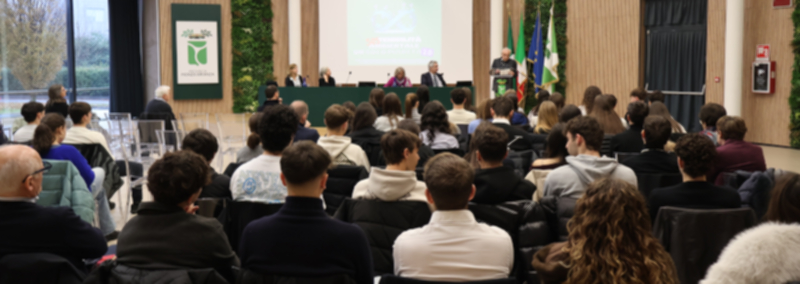
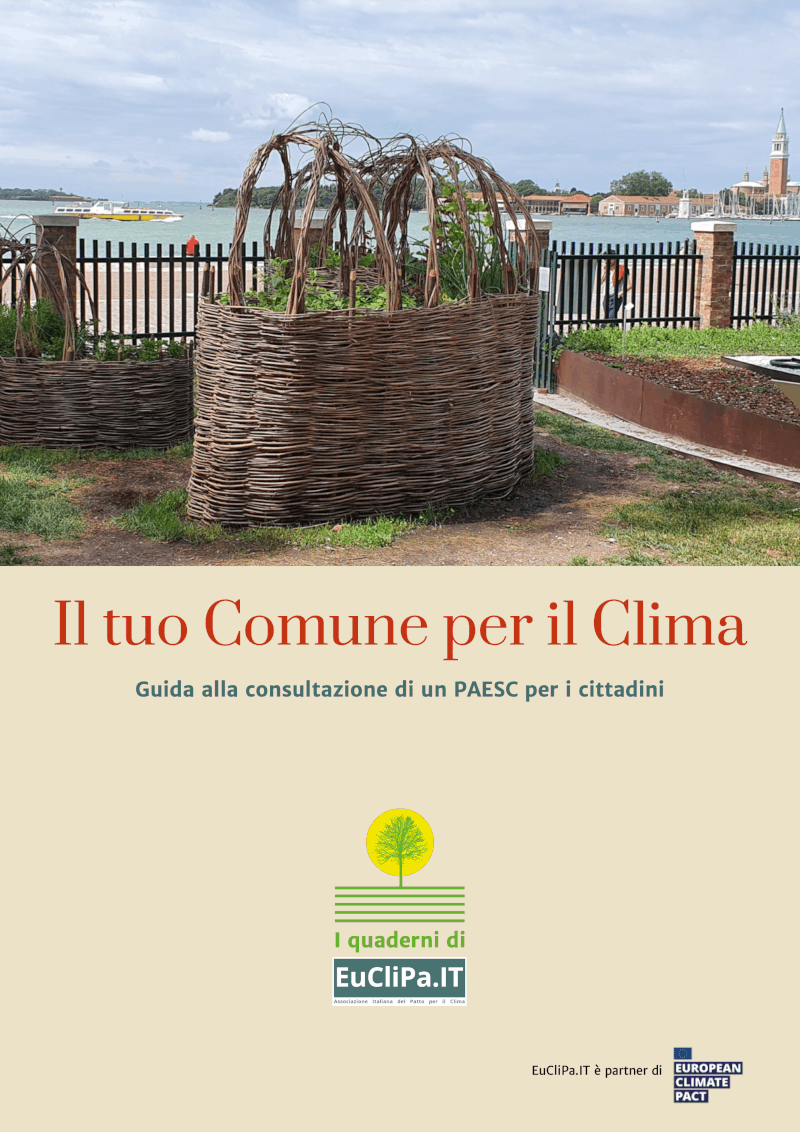
{"body":{"en":"<p>SECAP School (PAESC School) consists of integrating schools into local Sustainable Energy and Climate Action Plans (SECAP), transforming them into active civic nodes within municipal climate governance.</p><p>Implemented at national scale in Italy, the initiative responds to rising temperatures, environmental inequalities, and limited youth participation in local decision-making. Rather than treating schools as isolated educational institutions, SECAP School positions them as climate shelters and democratic spaces embedded in the urban fabric.</p><div class=\"editor-content-image\" data-image=\"\"><img src=\"https://decidim-oidp.s3.eu-west-1.amazonaws.com/8yacgbw4nnsxmki0odlz2v2f07no\" alt=\"PAEC Summer School 2025\"></div><p>The practice begins with teacher training on climate adaptation, environmental identity, and participatory governance, supported by the Euro-Mediterranean Center on Climate Change (CMCC) and the network of EU Climate Pact Ambassadors coordinated through <a href=\"https://www.indire.it/progetto/patto-dei-sindaci-ue-giovani/\">EuCliPa.it</a>. Students are engaged through workshops, visual didactic activism, photo elicitation, and co-design processes directly connected to municipal SECAP priorities.</p><p>Through structured dialogue with local authorities, students develop concrete proposals addressing territorial climate needs. In Monza, Northern Italy — one of the most densely populated areas of the country — a student proposal for the transformation of the city's main market square into a climate-responsive public space was formally accepted by the Municipality and is scheduled for implementation. In Desio, a municipality that had not yet adopted a SECAP, the school’s engagement and student initiative prompted the local administration to begin the procedure to join the Covenant of Mayors and initiate the SECAP adoption process. In Poggibonsi (Tuscany), the Deputy Mayor publicly endorsed the SECAP research pathway. In collaboration with a local EU Climate Pact Ambassador (a medical pulmonologist), the municipality is now developing a climate–health strategy, including green corridors in the city and the exploration of “green prescriptions” as part of a preventive public health approach. These examples demonstrate that SECAP School operates through concrete collaboration, institutional recognition, and co-implementation with local authorities, strengthening participatory democracy and embedding youth engagement within municipal climate governance.</p><div class=\"editor-content-image\" data-image=\"\"><img src=\"https://decidim-oidp.s3.eu-west-1.amazonaws.com/t982mbouonlfz94bnw3l0f8syt2u\" alt=\"SECAP School\"></div><p>The practice is monitored through pre- and post-surveys, focus groups, and the Index Anima Loci (de Maurissens, 2026), measuring place-based civic attachment and ecological responsibility.</p><p>By combining ecological transition with democratic participation, SECAP School strengthens environmental identity, intergenerational accountability, and measurable climate adaptation. It contributes to institutionalizing youth engagement within local governance, supporting the development of future climate shelters and the experimentation of participatory budgeting processes for students within municipal climate strategies.</p><div class=\"editor-content-image\" data-image=\"\"><img src=\"https://decidim-oidp.s3.eu-west-1.amazonaws.com/1tgfbaj9u3ipv48fijmo60wu443h\" alt=\"Il tuo Comune per il Clima (Guida alla consultazione di un PAESC per i cittadini)\"></div><p>Learn more: <a href=\"https://www.indire.it/progetto/patto-dei-sindaci-ue-giovani/\"><u>https://www.indire.it/progetto/patto-dei-sindaci-ue-giovani/</u></a></p>","es":"<p>SECAP School (Escuela PAESC) consiste en integrar los centros educativos dentro de los Planes de Acción para la Energía Sostenible y el Clima (PAESC) locales, transformándolos en nodos cívicos activos dentro de la gobernanza climática municipal.</p><p>Implementada a escala nacional en Italia, la iniciativa responde al aumento de las temperaturas, a las desigualdades ambientales y a la limitada participación juvenil en la toma de decisiones locales. En lugar de considerar las escuelas como instituciones educativas aisladas, SECAP School las posiciona como refugios climáticos y espacios democráticos integrados en el tejido urbano.</p><div class=\"editor-content-image\" data-image=\"\"><img src=\"https://decidim-oidp.s3.eu-west-1.amazonaws.com/8yacgbw4nnsxmki0odlz2v2f07no\" alt=\"PAEC Summer School 2025\"></div><p>La práctica comienza con la formación del profesorado en adaptación climática, identidad ambiental y gobernanza participativa, con el apoyo del Euro-Mediterranean Center on Climate Change (CMCC) y la red de Embajadores del Pacto Europeo por el Clima coordinada a través de <a href=\"https://www.indire.it/progetto/patto-dei-sindaci-ue-giovani/\">EuCliPa.it</a>. El alumnado participa mediante talleres, activismo didáctico visual, foto-elicitación y procesos de co-diseño directamente vinculados a las prioridades municipales del PAESC.</p><p>A través de un diálogo estructurado con las autoridades locales, los estudiantes desarrollan propuestas concretas que abordan las necesidades climáticas del territorio. En Monza, en el norte de Italia —una de las zonas más densamente pobladas del país— una propuesta estudiantil para transformar la plaza principal del mercado en un espacio público climáticamente resiliente fue aceptada formalmente por el Ayuntamiento y está prevista su implementación. En Desio, un municipio que aún no había adoptado un SECAP, la implicación de la escuela y la iniciativa de los estudiantes motivaron a la administración local a iniciar el procedimiento para unirse al Pacto de los Alcaldes e iniciar el proceso de adopción del SECAP. En Poggibonsi (Toscana), el vicealcalde respaldó públicamente la línea de investigación SECAP. En colaboración con un Embajador local del Pacto Europeo por el Clima (un neumólogo), el municipio está desarrollando ahora una estrategia clima–salud, que incluye corredores verdes en la ciudad y la exploración de “prescripciones verdes” como parte de un enfoque preventivo de salud pública. Estos ejemplos demuestran que SECAP School opera mediante colaboración concreta, reconocimiento institucional y co-implementación con las autoridades locales, fortaleciendo la democracia participativa e incorporando la participación juvenil en la gobernanza municipal del clima.</p><div class=\"editor-content-image\" data-image=\"\"><img src=\"https://decidim-oidp.s3.eu-west-1.amazonaws.com/t982mbouonlfz94bnw3l0f8syt2u\" alt=\"SECAP School\"></div><p>La práctica se supervisa mediante encuestas pre y post, grupos focales y el Index Anima Loci (de Maurissens, 2026), que mide el apego cívico al lugar y la responsabilidad ecológica.</p><p>Al combinar transición ecológica y participación democrática, SECAP School fortalece la identidad ambiental, la responsabilidad intergeneracional y la adaptación climática medible. Contribuye a institucionalizar la participación juvenil en la gobernanza local, apoyando el desarrollo de futuros refugios climáticos y la experimentación de procesos de presupuestos participativos para estudiantes dentro de las estrategias climáticas municipales.</p><div class=\"editor-content-image\" data-image=\"\"><img src=\"https://decidim-oidp.s3.eu-west-1.amazonaws.com/1tgfbaj9u3ipv48fijmo60wu443h\" alt=\"Il tuo Comune per il Clima (Guida alla consultazione di un PAESC per i cittadini)\"></div><p>Más información:<a href=\"https://www.indire.it/progetto/patto-dei-sindaci-ue-giovani/\"> <u>https://www.indire.it/progetto/patto-dei-sindaci-ue-giovani/</u></a></p><p><br></p>","fr":"<p>L’initiative SECAP School (École PAESC) consiste à intégrer les établissements scolaires dans les Plans d’Action en faveur de l’Énergie Durable et du Climat (PAESC) locaux, en les transformant en nœuds civiques actifs au sein de la gouvernance climatique municipale.</p><p>Mise en œuvre à l’échelle nationale en Italie, l’initiative répond à la hausse des températures, aux inégalités environnementales et à la participation limitée des jeunes aux processus décisionnels locaux. Plutôt que de considérer les écoles comme des institutions éducatives isolées, SECAP School les positionne comme des abris climatiques et des espaces démocratiques intégrés dans le tissu urbain.</p><div class=\"editor-content-image\" data-image=\"\"><img src=\"https://decidim-oidp.s3.eu-west-1.amazonaws.com/8yacgbw4nnsxmki0odlz2v2f07no\" alt=\"PAEC Summer School 2025\"></div><p>La pratique débute par une formation des enseignants sur l’adaptation au changement climatique, l’identité environnementale et la gouvernance participative, avec le soutien du Euro-Mediterranean Center on Climate Change (CMCC) et du réseau des Ambassadeurs du Pacte européen pour le climat coordonné via <a href=\"https://www.indire.it/progetto/patto-dei-sindaci-ue-giovani/\">EuCliPa.it</a>. Les élèves sont impliqués à travers des ateliers, des actions didactiques visuelles, la photo-elicitation et des processus de co-conception directement liés aux priorités municipales des PAESC.</p><p>Grâce à un dialogue structuré avec les autorités locales, les élèves développent des propositions concrètes répondant aux besoins climatiques du territoire. À Monza, dans le nord de l’Italie — l’une des zones les plus densément peuplées du pays — une proposition étudiante visant à transformer la place principale du marché en espace public résilient au climat a été officiellement acceptée par la municipalité et sa mise en œuvre est programmée. À Desio, une municipalité qui n’avait pas encore adopté de SECAP, l’engagement de l’école et l’initiative des élèves ont incité l’administration locale à entamer la procédure pour rejoindre le Pacte des Maires et lancer le processus d’adoption du SECAP. À Poggibonsi (Toscane), le maire adjoint a publiquement soutenu la démarche de recherche SECAP. En collaboration avec un ambassadeur local du Pacte européen pour le climat (un pneumologue), la municipalité élabore désormais une stratégie climat–santé, comprenant des corridors verts dans la ville et l’exploration des « prescriptions vertes » dans le cadre d’une approche préventive de santé publique. Ces exemples montrent que SECAP School fonctionne grâce à une collaboration concrète, une reconnaissance institutionnelle et une co-mise en œuvre avec les autorités locales, renforçant la démocratie participative et intégrant l’engagement des jeunes dans la gouvernance municipale du climat.</p><div class=\"editor-content-image\" data-image=\"\"><img src=\"https://decidim-oidp.s3.eu-west-1.amazonaws.com/t982mbouonlfz94bnw3l0f8syt2u\" alt=\"SECAP School\"></div><p>La pratique est évaluée au moyen d’enquêtes pré- et post-intervention, de groupes de discussion et de l’Index Anima Loci (de Maurissens, 2026), qui mesure l’attachement civique territorial et la responsabilité écologique.</p><p>En combinant transition écologique et participation démocratique, SECAP School renforce l’identité environnementale, la responsabilité intergénérationnelle et l’adaptation climatique mesurable. L’initiative contribue à institutionnaliser l’engagement des jeunes dans la gouvernance locale, en soutenant le développement de futurs abris climatiques et l’expérimentation de processus de budget participatif pour les élèves au sein des stratégies climatiques municipales.</p><div class=\"editor-content-image\" data-image=\"\"><img src=\"https://decidim-oidp.s3.eu-west-1.amazonaws.com/1tgfbaj9u3ipv48fijmo60wu443h\" alt=\"Il tuo Comune per il Clima (Guida alla consultazione di un PAESC per i cittadini)\"></div><p>En savoir plus :<a href=\"https://www.indire.it/progetto/patto-dei-sindaci-ue-giovani/\"> <u>https://www.indire.it/progetto/patto-dei-sindaci-ue-giovani/</u></a></p><p><br></p>"},"title":{"en":"Italy and Italian municipalities: SECAP School","es":"Italia y municipios italianos: SECAP School","fr":"Italie et communes italiennes : SECAP School"}}
This fingerprint is calculated using a SHA256 hashing algorithm. In order to replicate it yourself, you can use an MD5 calculator online and copy-paste the source data.







Share
Or copy link