



Manisa: The Neighbourhood Headmen Services Priority and Needs Survey Analysis

The "Neighbourhood Headmen Services Priority and Needs Survey Analysis" practice emerged from the need to identify neighbourhood level needs in Manisa in a more systematic way and to integrate this knowledge into city wide decision making processes. With a wide geographical area and neighbourhoods with diverse socioeconomic characteristics, accurately understanding local needs at the neighbourhood level has become increasingly important for effective service planning in Manisa.
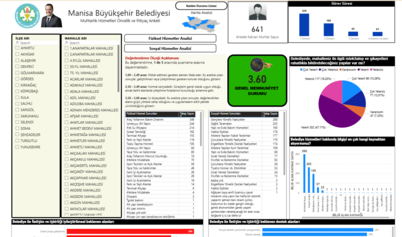
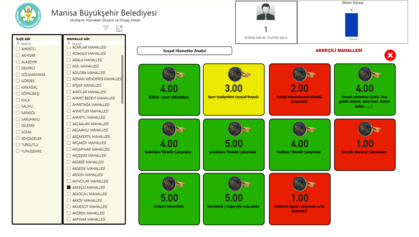
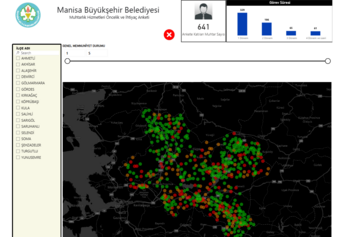
In response to this need, the initiative introduces a participatory governance approach that involves neighbourhood representatives and ensures that their local knowledge and experience contribute to decision making. Covering 1,090 neighbourhoods across 17 districts, the practice collects evaluations from neighbourhood headmen regarding municipal services through an online survey. The collected data are analysed using digital tools, enabling the municipality to assess service satisfaction levels and identify priority needs across different service areas. This approach helps transform local observations into structured data that can support city wide planning and service improvement.
The initiative has also strengthened communication and cooperation between neighbourhood representatives and local authorities. Feedback collected from neighbourhoods is systematically reviewed and incorporated into municipal planning processes. During the first implementation, a participation rate of 59% of neighbourhood headmen was achieved, creating a broad participation network across the city.
The results have contributed to municipal policy development and were used as an important data source during the preparation of the 2026–2029 Strategic Plan, particularly in determining priority activities and service areas. In this way, the initiative supports a shift toward more participatory and evidence based decision making in local governance. Additionally, the practice provides a data and evaluation pool that can also support district municipalities in understanding neighbourhood needs and improving service planning. By connecting neighbourhood representatives with city level governance processes, the initiative contributes to the development of a collaborative urban governance model that strengthens participatory democracy across Manisa.
Learn more about:
QR Code


Share
Or copy link